Most industrial facilities have more data than ever before, yet many still struggle to answer simple questions:
- Which assets represent the greatest risk?
- Where should maintenance dollars be spent first?
- Are inspection programs actually reducing the likelihood of failure?
- What is the true condition of critical assets across the facility?
The challenge is not a lack of information. It is the ability to connect inspection, engineering, maintenance, and operational data in a way that supports better decisions.
As industrial organizations continue their digital transformation journeys, Asset Performance Management (APM) is evolving from a data collection exercise into a business strategy focused on reliability, risk reduction, and asset optimization.
The Evolution of Asset Performance Management
Asset Performance Management has evolved significantly over the past decade. Historically, asset integrity programs were often driven by periodic inspections and time-based maintenance schedules. While these approaches remain important, today’s industrial operators have access to far more information than ever before.
Sensors provide continuous condition monitoring. Process historians capture operating data. Maintenance systems track work histoary. Inspection programs generate detailed condition information. Engineering teams perform Fitness-for-Service assessments, damage mechanism reviews, and risk analyses.
Individually, each of these systems provides value. Together, they provide context.
The ability to understand how inspection findings relate to operating conditions, maintenance history, degradation mechanisms, and business risk allows organizations to make more informed decisions about where to focus resources and how to manage risk.
Breaking Down Data Silos
One of the biggest barriers to effective Asset Performance Management is the existence of data silos.
It is common to find organizations operating multiple platforms that were implemented at different times and for different purposes. CMMS systems manage maintenance activities. Inspection databases track asset condition. Engineering records document assessments and recommendations. Production systems monitor operational performance.
The result is often a fragmented view of asset health. Valuable information exists throughout the organization, but there is no easy way to connect it.
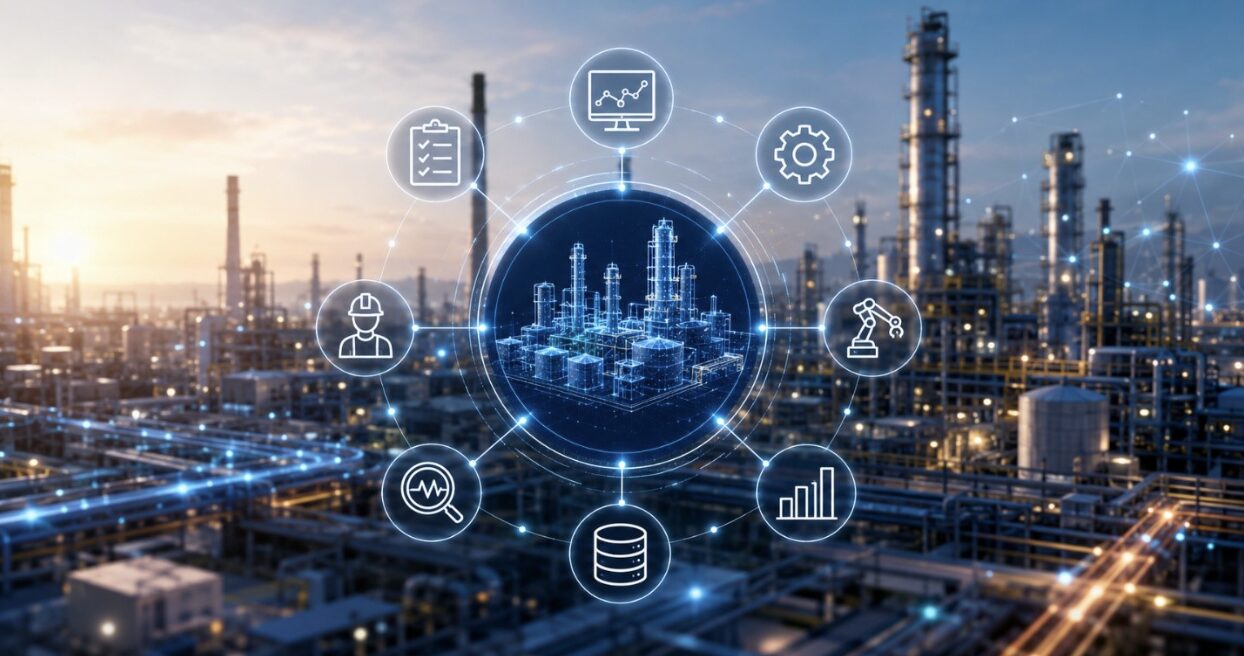
Modern APM strategies increasingly focus on integration rather than consolidation. By connecting existing systems through shared data models, dashboards, visualization platforms, and reporting tools, organizations can create a more complete understanding of asset health without disrupting established workflows.
This approach allows companies to leverage the investments they have already made while improving accessibility and visibility across departments.
From Data Collection to Decision Support
Collecting information is only the first step. The real value comes from transforming raw data into actionable insights.
Consider a storage tank that shows localized corrosion during a routine inspection. On its own, that inspection finding may trigger additional monitoring or repairs. However, when combined with operating history, previous inspection data, process conditions, and engineering assessments, the organization gains a much clearer understanding of the actual risk.
The result is a more informed decision about whether the asset can continue operating safely, requires remediation, or should be prioritized for replacement.
The same principle applies to rotating equipment. A vibration trend from a condition monitoring system becomes significantly more valuable when it can be evaluated alongside maintenance history, inspection findings, and operational impacts.
When information is connected, organizations gain a better understanding of asset risk, degradation trends, and performance drivers. This allows maintenance and engineering resources to be directed where they will have the greatest impact.
The Role of Engineering in Digital Asset Management
While technology plays an important role in modern APM programs, engineering remains the foundation.
Data alone does not determine risk. Information must be interpreted within the context of asset design, operating conditions, degradation mechanisms, and applicable engineering standards.
A digital environment becomes significantly more valuable when engineering expertise is integrated directly into the workflow. Risk-Based Inspection (RBI) programs, Fitness-for-Service assessments, damage mechanism reviews, reliability studies, and integrity assessments provide the context needed to transform data into decisions.
This is where many organizations benefit from technical partners who understand both the engineering requirements and the digital tools used to support them.
Without engineering context, even the most sophisticated digital platforms can struggle to deliver meaningful business value.
Visualization and Accessibility
As data becomes more interconnected, visualization becomes increasingly important.
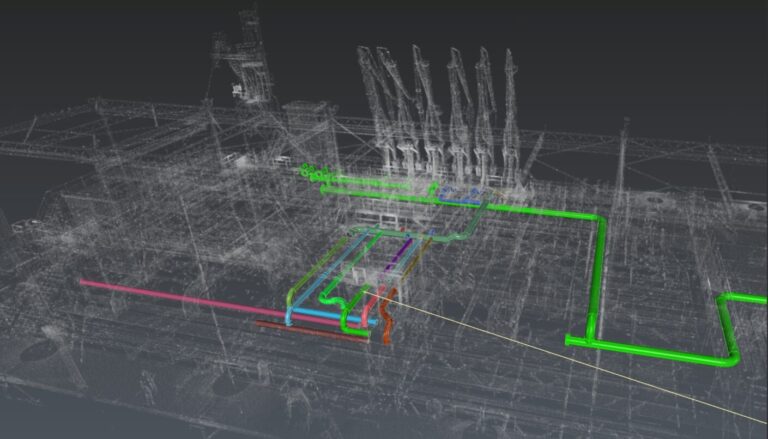
Dashboards, digital twins, GIS platforms, reality capture technologies, and interactive reporting environments allow complex technical information to be communicated more effectively across organizations.
These tools help create a common understanding between operations, maintenance, engineering, and management teams. Rather than relying on multiple reports from different systems, stakeholders can access a more complete picture of asset condition, risk, and performance through a single interface.
The goal is not simply better reporting.
The goal is faster, more informed decision-making.
Connecting Engineering, Inspection, and Operations
Successful Asset Performance Management programs require more than technology. They require a combination of engineering expertise, inspection data, operational understanding, and the ability to turn information into actionable insights.
Acuren helps clients connect these disciplines through integrated engineering, inspection, integrity management, reality capture, geospatial services, and digital visualization capabilities.
Importantly, this does not require replacing existing systems. In many cases, the greatest value comes from integrating with the tools organizations already use, including CMMS platforms, process historians, ERP systems, inspection databases, and reliability software.
By connecting information across these environments, organizations can develop a more complete view of asset condition, risk, and performance while continuing to leverage their existing investments.
Turning Information Into Action
The future of Asset Performance Management is not about collecting more data. It is about creating better connections between information, engineering expertise, and operational decision-making.
Organizations that successfully connect these elements are better positioned to reduce risk, optimize maintenance spending, improve reliability, and extend asset life.
In an increasingly digital world, the facilities that perform best will not necessarily be those with the most data. They will be the ones that can turn information into understanding and understanding into action.
If your organization is looking to better integrate engineering, inspection, maintenance, and operational data, connect with an Acuren expert to discuss how a modern Asset Performance Management strategy can support your asset integrity goals.