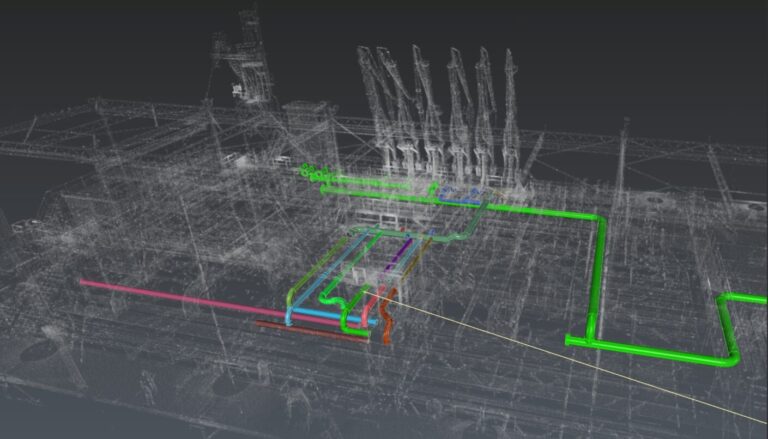
When I started my co-op term with Acuren, I was looking for practical exposure to the kind of engineering work that rarely makes it into textbooks. I wanted to understand how asset integrity, inspection, and condition monitoring function in operating industrial facilities. What I found was an environment where engineering decisions have a direct impact on safety, reliability, and long-term asset performance.
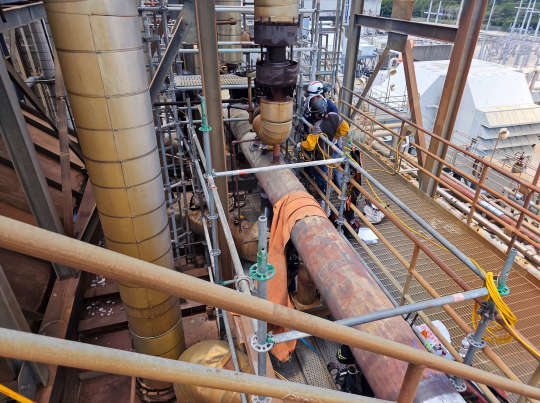
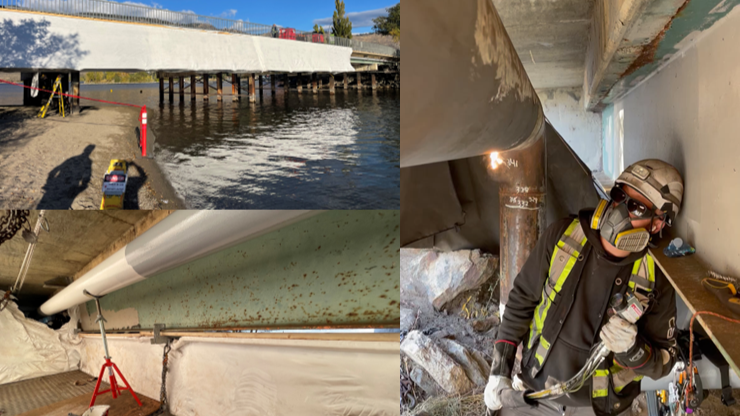
Early in my co-op, I was involved in tank inspections and broader mechanical integrity work. That meant spending time in the field, learning inspection methodologies, reviewing thickness data, observing coating degradation, and understanding how integrity findings translate into repair and mitigation strategies.
It quickly became clear that integrity engineering is not just about identifying defects. It’s about understanding risk, supporting operations, and helping clients make informed decisions about their assets.
Those experiences would later influence my approach to my university capstone project.
Applying Engineering to Real-World Challenges
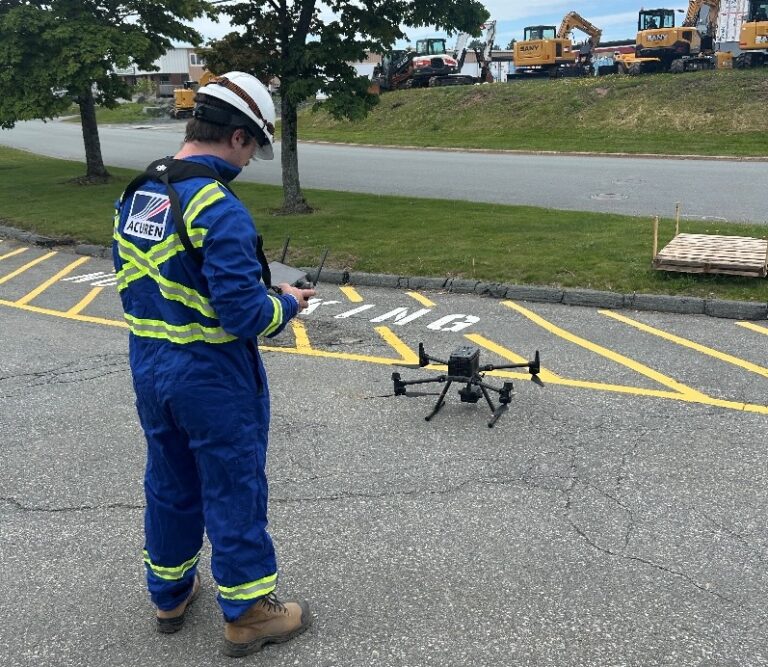
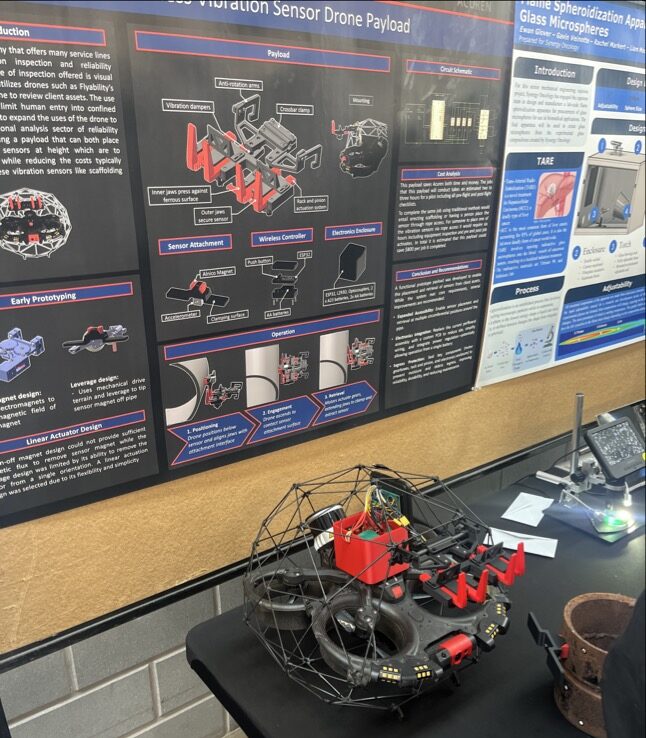
With Acuren sponsoring our senior design team, we were tasked with designing and building a payload that would allow a vibration sensor to be mounted to one of Acuren’s inspection drones.
The objective was to collect vibration data at height and in difficult-to-access locations, reducing the need for scaffolding or rope access in certain applications.
At first glance, the concept seemed straightforward: attach a sensor to a drone. In reality, the project required careful engineering and problem solving.
We had to consider payload weight, center of gravity, aerodynamic drag, vibration isolation, structural rigidity, and signal integrity. The payload needed to be stable enough to place and retrieve the sensor while maintaining safe flight performance.
Because the project was sponsored by industry, we were designing within real operational constraints. We received feedback from Acuren engineers and technicians who would ultimately use the system in the field. That forced us to think beyond CAD models and lab testing. We had to consider installation, durability, repeatability, and how the technology would integrate into existing inspection workflows.
The project expanded the drone’s capabilities beyond visual inspection into vibration-based condition monitoring, creating opportunities for remote data collection in areas that would otherwise require significant access planning.
For me, it demonstrated how emerging technologies can be integrated into established integrity programs when engineering fundamentals are applied properly.
Growing Beyond the Co-op Experience
After graduating and joining Acuren full-time as an engineer, my role continued to evolve.
In addition to supporting inspection and mechanical integrity initiatives, I moved into project management responsibilities on large coatings projects. That work includes coordinating field crews, managing schedules and budgets, maintaining safety performance, and ensuring quality standards are met in demanding industrial environments.
The transition from student to engineer and project manager has provided exposure to a broad range of technical and operational challenges. It has also reinforced the importance of communication, planning, and collaboration in delivering successful projects.
Building a Career in Atlantic Canada
Building a career in Atlantic Canada has been particularly meaningful to me. The region has a strong industrial base that includes power generation, marine infrastructure, and oil and gas operations. Being able to contribute to critical infrastructure projects while remaining close to home is something I value.
The opportunities I’ve had through Acuren have allowed me to stay local while gaining experience on complex, large-scale projects and working alongside experienced professionals across multiple disciplines.
Looking Back and Looking Ahead
Looking back, the co-op experience was foundational. It provided exposure to tank inspections, mechanical integrity programs, drone-based inspection technologies, and coatings management, all before graduation.
The capstone project reinforced how academic engineering can directly support industry innovation, while my full-time role has allowed me to continue developing professionally while taking on increasing responsibility.
For students considering co-op placements or industry-sponsored projects, the value extends far beyond adding experience to a resume. Working in real operating environments accelerates learning and provides a better understanding of how engineering supports safety, reliability, and long-term asset stewardship.
My career at Acuren started as a co-op student. Today, I continue to apply those same engineering fundamentals as an engineer and project manager, helping clients solve complex challenges in the field every day.
Interested in Building Your Career at Acuren?
If you’re a student or early-career professional looking to gain hands-on experience in engineering, inspection, asset integrity, or industrial services, explore current opportunities on the Acuren Careers page and learn how you can build your career with us.