Corrosion under insulation, or CUI, is one of the more frustrating corrosion mechanisms to manage because the damage is often hidden until it becomes expensive, disruptive, or unsafe. An insulated pipe or vessel can look acceptable from the outside while corrosion is developing underneath the insulation system. By the time the issue is visible, the asset may already require repair, replacement, or unplanned shutdown work.
For operators, maintenance teams, and asset integrity leaders, the key is understanding where CUI is likely to occur, what warning signs to look for, and how inspection and coating strategies can reduce long-term risk.
What Is Corrosion Under Insulation?
CUI occurs when moisture becomes trapped beneath insulation and comes into contact with the metal surface. Over time, that moisture can break down coating systems, attack the substrate, and lead to wall loss or cracking depending on the material, service conditions, and environment.
The insulation itself is not usually the root cause. The issue is the environment created beneath it. Once water gets in, the insulation can hold moisture against the pipe, vessel, or structural component. If the system experiences heating and cooling cycles, wet and dry conditions, or damaged cladding, corrosion can accelerate in areas that are difficult to see during routine visual inspections.
Where CUI Typically Occurs
CUI is commonly associated with insulated piping, vessels, tanks, and equipment operating in environments where moisture is present. It can occur in processing facilities, refineries, terminals, chemical plants, power facilities, marine environments, and other industrial sites.
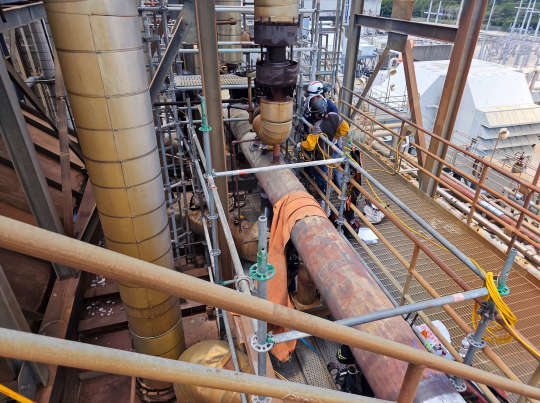
Some locations deserve closer attention than others. Low points, supports, penetrations, elbows, flanges, nozzles, damaged cladding, open seams, and areas around insulation terminations are all common problem areas. Any location where water can enter, collect, or fail to drain properly should be considered a potential CUI concern.
Operating conditions also matter. Equipment that cycles between hot and cold temperatures can be especially vulnerable because repeated thermal movement can stress sealants, cladding, and coatings. Outdoor assets exposed to rain, snow, washdown, or coastal conditions may also face higher risk.
Why CUI Is Difficult to Detect
The biggest challenge with CUI is simple: the insulation hides the asset.
A visual inspection may identify damaged cladding or staining, but it cannot always confirm what is happening at the metal surface. Removing insulation provides direct access, but it can be time-consuming, costly, and disruptive if not properly targeted. This is why CUI programs need to be planned carefully rather than treated as random insulation removal.
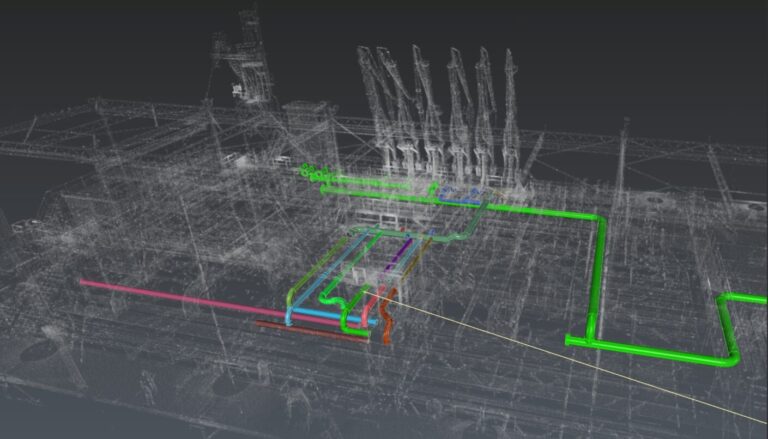
A strong program starts with risk ranking. Teams should look at the asset’s age, service conditions, operating temperature, insulation type, coating history, exposure, previous inspection results, and consequence of failure. This helps identify where inspection dollars should be spent first.
Warning Signs to Watch For
Although CUI is hidden, there are often clues that indicate water may be getting into the system. These can include damaged or missing cladding, open seams, failed sealant, staining, water dripping from insulation, bulging insulation, corrosion at insulation terminations, or recurring issues at supports and penetrations.
These signs do not always mean severe corrosion is present, but they should not be ignored. They are indicators that the insulation system is no longer doing its job properly and that further inspection may be needed.
Inspection Methods for CUI
There is no single inspection method that solves every CUI problem. The right approach depends on the asset, access, insulation system, risk level, and operating conditions.
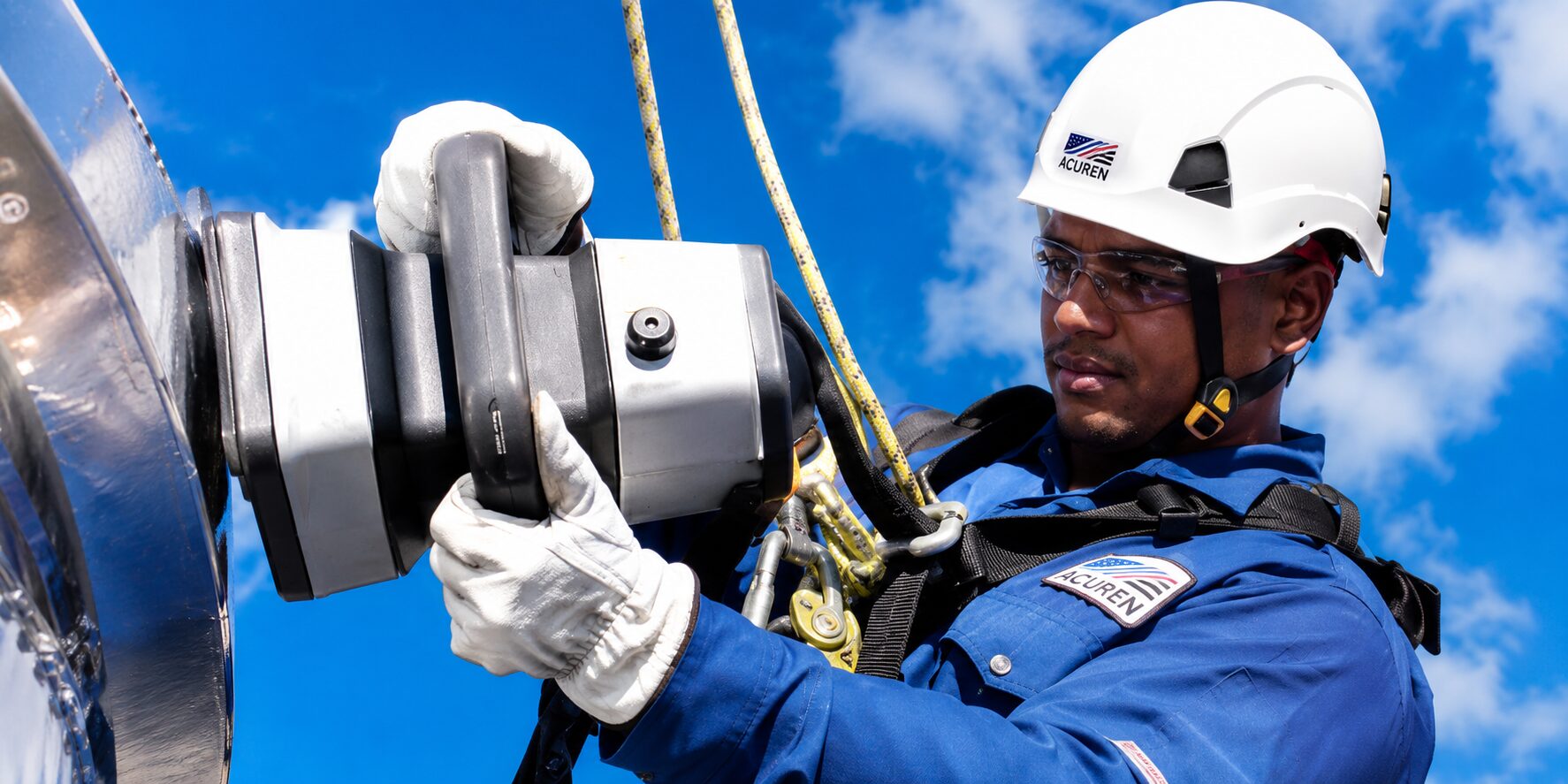
Visual inspection is often the first step. It helps identify external damage, moisture entry points, and areas that may require closer evaluation. Non-destructive testing can then be used to help screen or assess areas without full insulation removal. Depending on the application, methods such as ultrasonic thickness testing, radiography, pulsed eddy current, guided wave testing, or corrosion mapping may be considered.
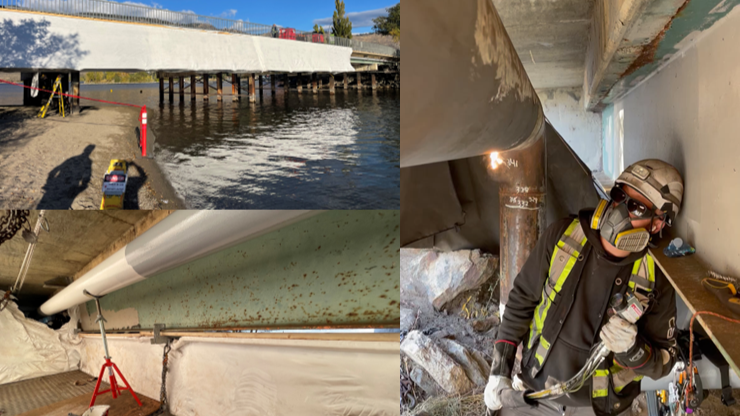
In many cases, targeted insulation removal is still required. The goal is to remove insulation where the risk is highest, verify actual condition, complete the necessary inspection, and then restore the system correctly. Poor reinstatement after inspection can create the next CUI problem, so the repair and re-insulation work matters as much as the inspection itself.
Preventing CUI Before It Becomes a Larger Issue
CUI prevention depends on good design, proper installation, regular inspection, and disciplined maintenance. Coatings are a major part of that strategy. A coating system selected for the service environment and properly applied to a well-prepared surface gives the asset its first line of defense if moisture reaches the substrate.
Insulation and cladding details are equally important. Seams, terminations, penetrations, and supports need to be installed and maintained so water does not enter and remain trapped. Damaged cladding should be repaired promptly, and insulation systems should be restored properly after inspection or maintenance work.
Material selection can also help reduce risk in certain applications, but it does not eliminate the need for inspection. Even corrosion-resistant materials can experience damage under the right conditions.
The Value of an Integrated Approach
The most effective CUI programs connect inspection, engineering, coatings, access planning, and maintenance execution. Finding corrosion is only one part of the job. Teams also need to understand the severity, determine whether the asset can remain in service, define repairs, restore coatings and insulation, and update future inspection plans based on what was found.
At Acuren, this integrated approach helps clients move beyond reactive insulation removal and toward a more focused CUI strategy. By combining inspection expertise, coating knowledge, access solutions, and asset integrity planning, operators can better identify high-risk areas, prioritize work, and reduce the likelihood of unexpected failures.
CUI cannot always be eliminated, but it can be managed. The difference comes down to knowing where to look, acting on early warning signs, and maintaining the protective systems that keep moisture away from the asset in the first place. If your facility is dealing with aging insulation systems, recurring corrosion concerns, or uncertainty around where to prioritize inspection, Acuren can help.
Contact our team to discuss a practical CUI inspection and prevention strategy for your assets!