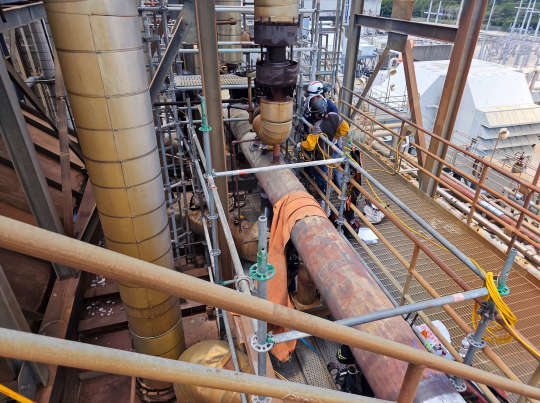
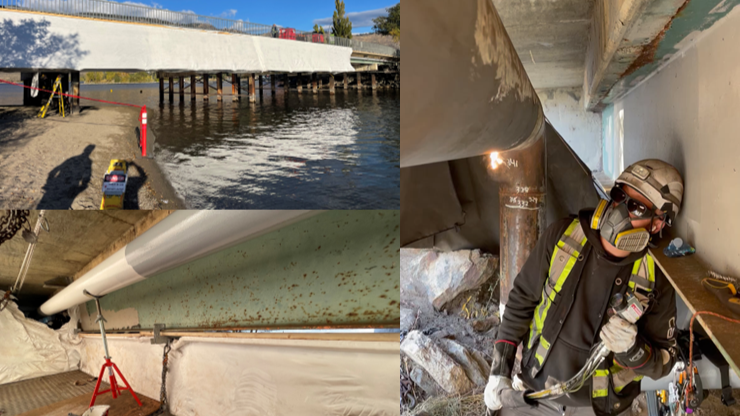
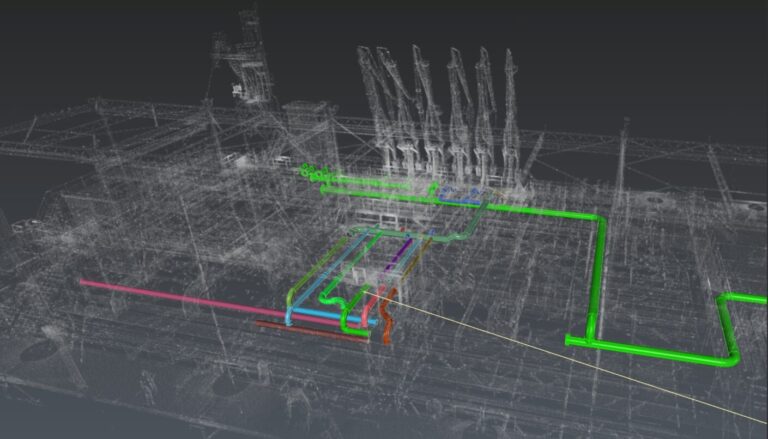
In sour service environments, material performance is a critical safety consideration. Exposure to hydrogen sulfide (H2S) can lead to sulfide stress cracking (SSC), a failure mechanism that often occurs without visible warning and can have serious consequences.
NACE TM0177, developed by AMPP (formerly NACE), is one of the most widely used standards for evaluating a material’s resistance to SSC. Understanding how this test works, particularly Method A, C and D, is essential for engineers, manufacturers, and operators working in sour environments.
What Is NACE TM0177?
NACE TM0177 is a standardized test method used to evaluate the resistance of metallic materials to sulfide stress cracking in H2S-containing environments. It simulates sour service conditions under controlled laboratory settings, allowing organizations to assess whether a material is suitable for field use.
The test requires three key elements:
- A susceptible material
- Exposure to an aqueous sour environment containing H2S
- The presence of stress, either applied or residual
When these conditions are met, SSC can occur. TM0177 provides a controlled way to measure that risk.
Why Sulfide Stress Cracking Testing Matters
SSC is a form of environmentally assisted cracking that can lead to sudden and brittle failure. It is particularly relevant in upstream, midstream, and refining operations where sour gas exposure is common.
Testing to NACE TM0177 helps organizations:
- Qualify materials for sour service applications
- Prevent in-service failures in pipelines, pressure vessels, and downhole tools
- Meet regulatory and industry compliance requirements
- Support long-term asset integrity and safety
Without proper sulfide stress cracking testing, material selection becomes a significant risk factor.
Method A: Constant Load Tensile Testing
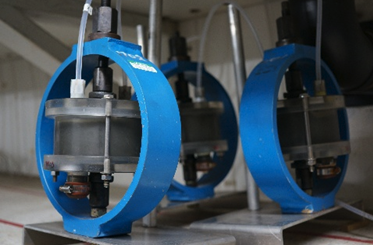
Method A is one of the most commonly used approaches within NACE TM0177. It uses smooth tensile specimens that are subjected to a constant uniaxial load while exposed to a sour environment.
Key characteristics of Method A include:
- Specimens are cylindrical and precisely machined
- A constant tensile stress is applied, often as a percentage of the material’s specified minimum or actual yield strength
- The test runs for a defined period or until failure occurs
- Results are reported as either pass or fail based on cracking or rupture
This method is well suited for evaluating general material performance and comparing resistance across different alloys or heat treatments.
Because the applied stress is uniform and controlled, Method A provides a clear baseline for SSC susceptibility under tensile loading conditions.
Method C: Circumferential Load C-Ring Testing
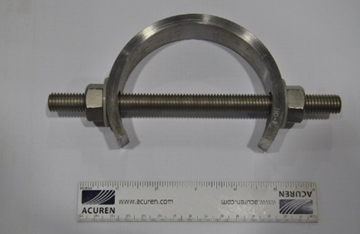
Method C is a standardized laboratory test used to evaluate the susceptibility of metallic materials to sulfide stress cracking (SSC). In Method C, a specimen is subjected to a circumferential/ hoop stress while exposed to a controlled H₂S environment. It can be used to evaluate the sour service weld performance of a given sample.
Key characteristics of Method C include:
- Specimens are transversely sectioned from tubing or bar stock
- The test runs for a defined period or until failure occurs
- Often used on thin-wall tubing products
- Results are reported as either pass or fail based on cracking or rupture
This method is well-suited for preserving metallurgical directionality and allows external and internal surface conditions to be preserved, if desired.
This test method is often chosen when a customer requires an application-specific material qualification.
Method D: Double Cantilever Beam Testing
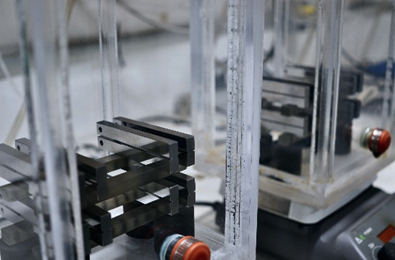
Method D uses a double cantilever beam specimen to evaluate the resistance to environmentally assisted crack propagation. Unlike the other NACE TM0177 test methods, Method D allows for a quantitative evaluation of sour service performance.
Key characteristics of Method D include:
- A crack is pre-initiated, therefore results are not affected by uncertainties in crack initiation or pitting
- The resistance to crack propagation is expressed in terms of critical stress intensity factor. For SSC, it is stated as KISSC
- Fracture mechanics based test used for advance material qualification
Method D is used when crack propagation is the main concern, not initiation. This test method allows for engineering decisions on critical equipment design, remaining life assessment, and defect tolerance evaluations.
Specimen Configuration and Preparation
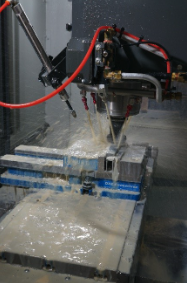
Accurate specimen preparation is critical for both Method A, C and D. Variations in machining, surface finish, or dimensions can influence test results and lead to inconsistent outcomes.
To meet NACE TM0177 requirements:
- Specimens must be machined within strict tolerances
- Surface conditions must be carefully controlled
- Residual stresses introduced during fabrication must be minimized or accounted for
In-house machining capabilities play an important role in maintaining consistency and ensuring compliance with the standard.
Environmental and Loading Control
One of the most challenging aspects of sulfide stress cracking testing is maintaining precise environmental conditions throughout the test duration.
Key variables include:
- H2S concentration and partial pressure
- pH and solution chemistry
- Temperature stability
- Oxygen contamination control
In addition to environmental control, loading conditions must remain stable and accurately calibrated. Even small deviations can affect test validity.
This is why NACE TM0177 testing is typically performed in specialized SSC testing labs with tightly controlled systems and experienced personnel.
Compliance and Reporting
Compliance with NACE TM0177 requires more than simply running a test. Proper documentation, calibration, and procedural consistency are essential.
Test reports typically include:
- Material traceability identification
- Specimen dimensions and preparation details
- Applied stress or strain levels
- Environmental conditions throughout testing
- Time to failure or confirmation of no cracking
These results support material qualification and can be used for engineering decisions, procurement specifications, and regulatory documentation.
Partnering with an Experienced SSC Testing Lab
Given the complexity of sulfide stress cracking testing, working with an experienced laboratory is critical. Strict adherence to NACE standards, combined with precise control of variables, ensures reliable and repeatable results.
Acuren supports sour gas corrosion testing with over four decades of experience, in-house specimen machining, and ISO 17025 accreditation. This integrated approach allows for efficient testing, consistent quality, and access to additional materials evaluation services when needed.
Speak With a Sour Gas Testing Engineer
If you are designing, supplying, or operating equipment in sour service environments, NACE TM0177 testing is a key step in reducing risk and ensuring performance.
Connect with an Acuren engineer to discuss your material requirements and testing needs.