Why Choose Acuren

Experience
With over 40 years of experience in this field, our team has developed procedures to ensure that we consistently and repeatedly meet all of these requirements.

In-House Machining
All our test specimens are machined in-house to ensure consistent fabrication within all specified tolerances and the fastest possible turnaround time to meet our client’s needs.

Quality
Our sour gas corrosion testing laboratory is ISO 17025 accredited for NACE corrosion testing and ASTM mechanical testing, demonstrating our commitment to technical competence, quality assurance, and internationally recognized testing standards.

Engineering Expertise
Acuren has the largest network of laboratories across North America with specialized engineers who can examine your components for potential damage, perform failure analysis and materials selection to ensure optimal asset reliability.
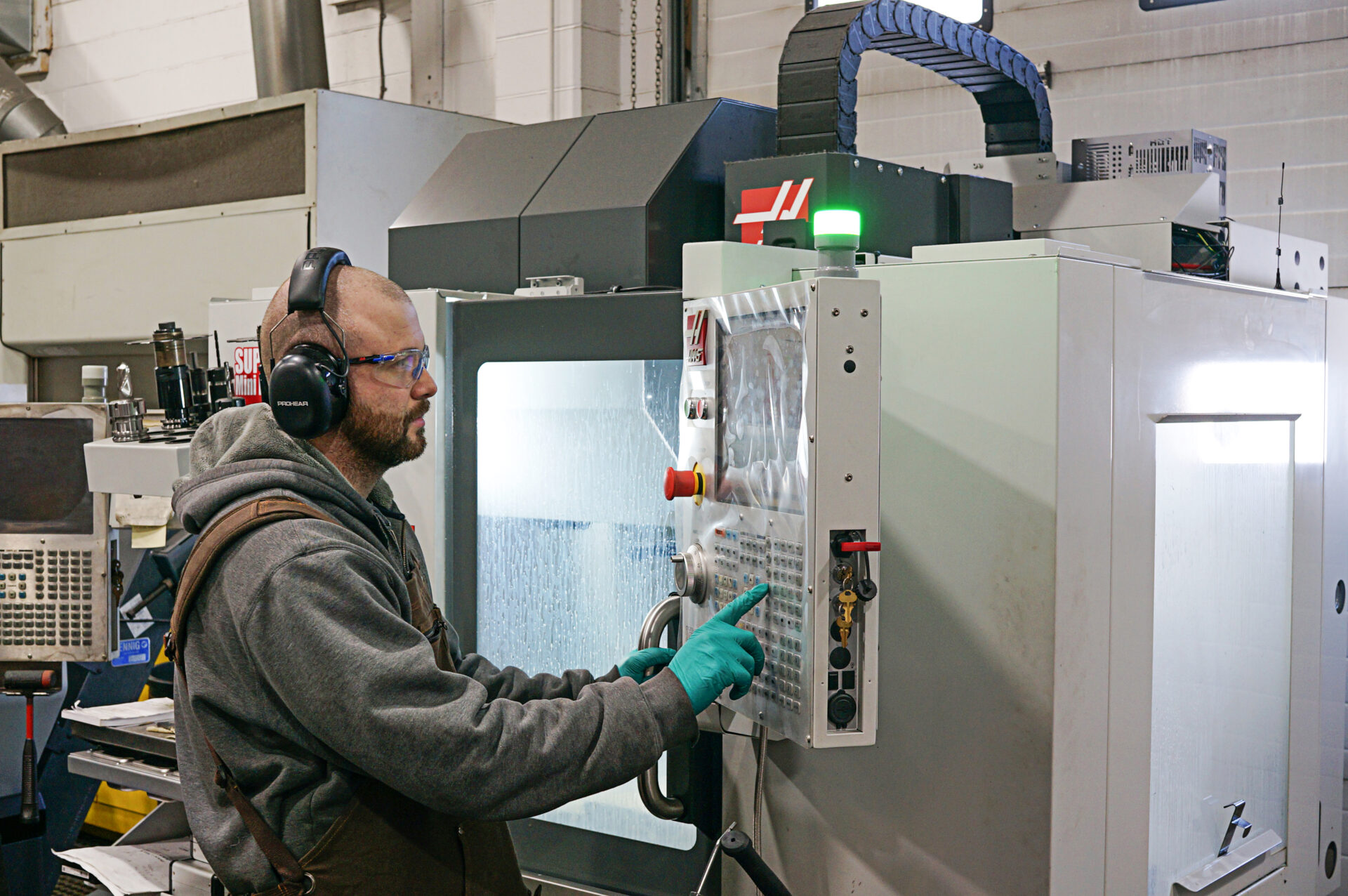
Specialist CNC operators
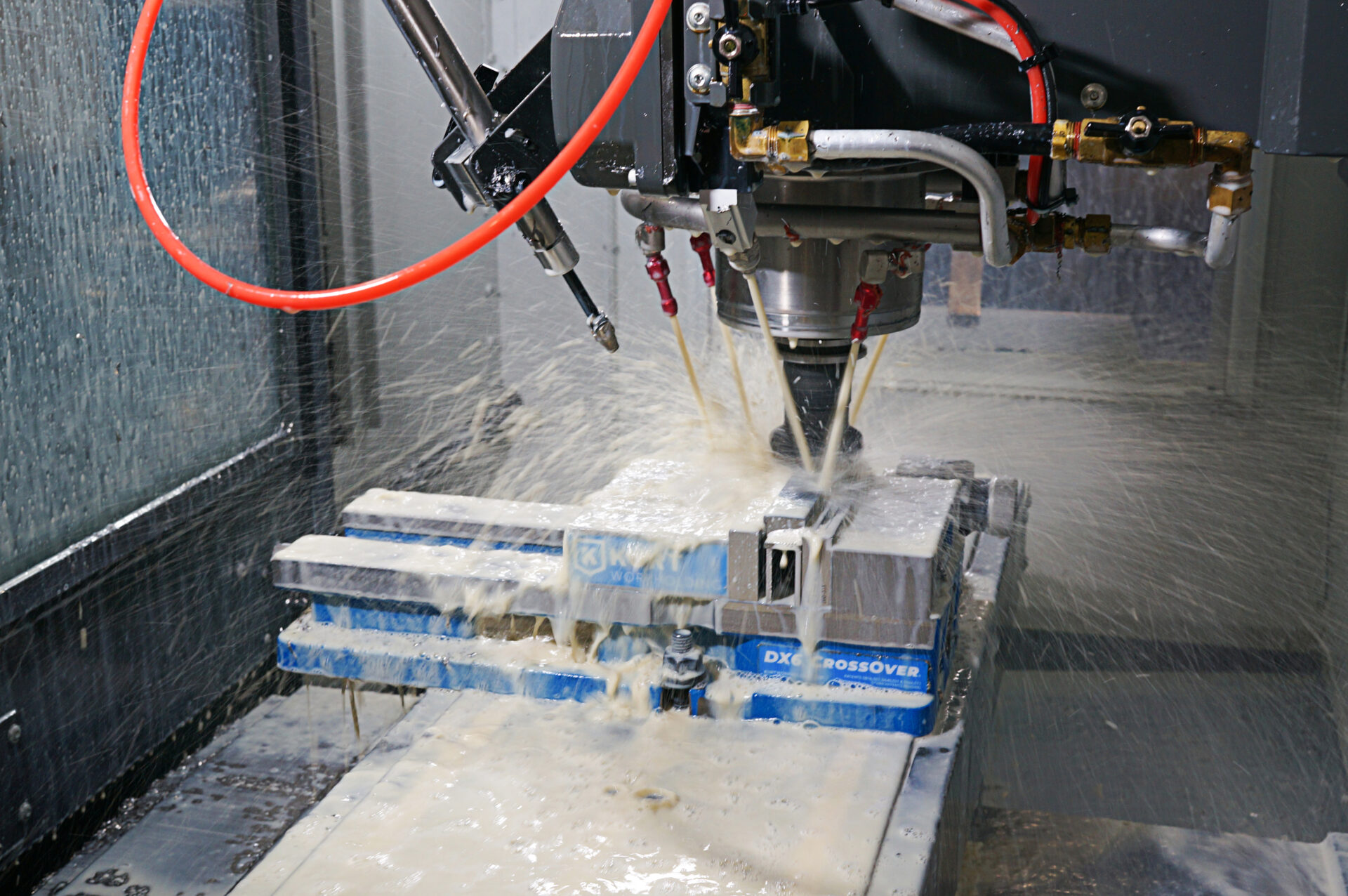
The latest in CNC machining technologies
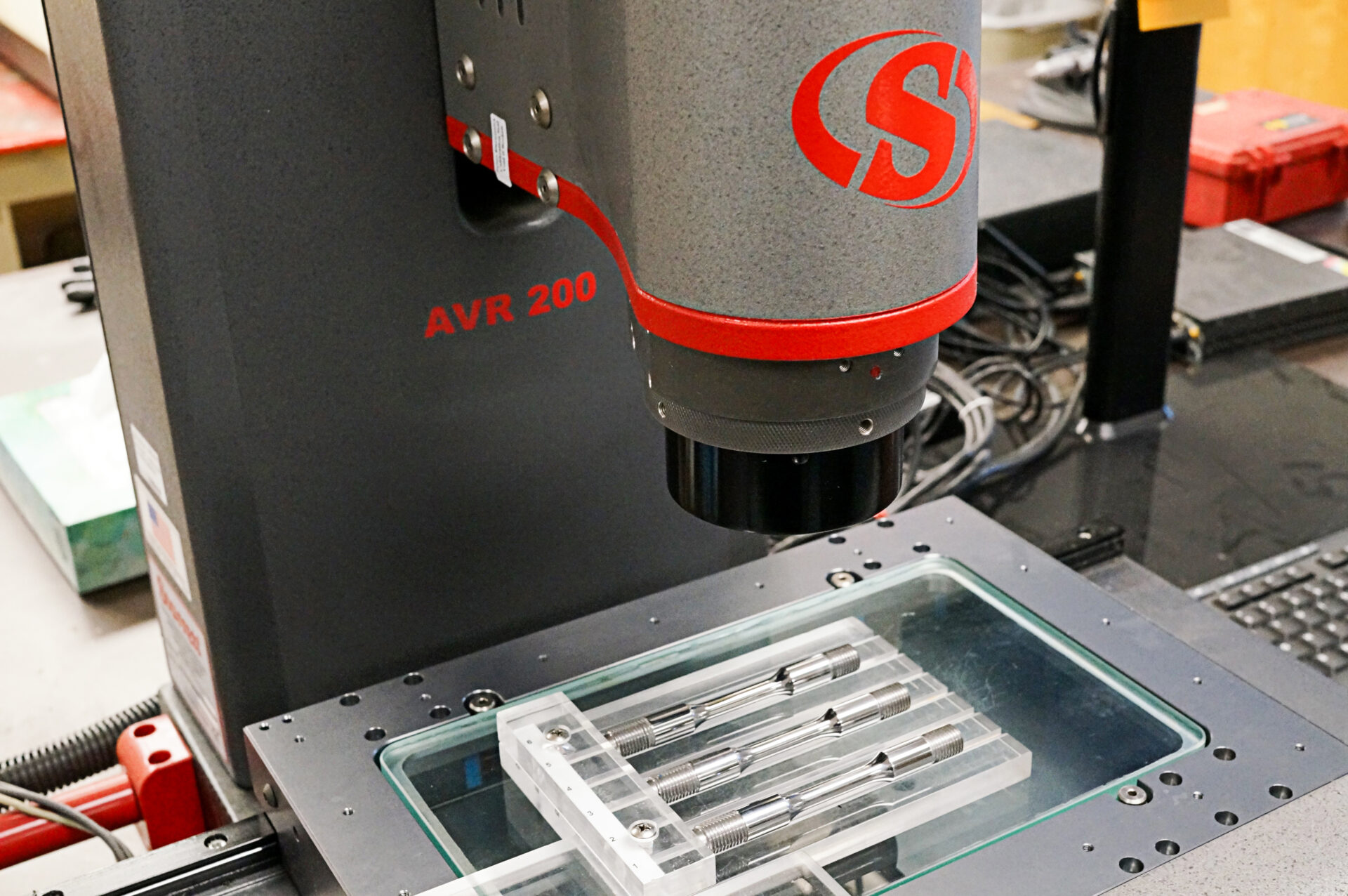
Precision optical measuring systems
Types Of Sour Gas Corrosion Tests We Perform
This test standard provides guidance to assess a material’s resistance to cracking failure under the combined action of applied stress and corrosion in aqueous environments containing hydrogen sulfide (H2S). Several methods of applying stress and assessing performance are provided within NACE TM0177. All require immersion of the test specimen in a low pH, aqueous sour (i.e. H2S containing) environment for a prolonged period of time. Standard test conditions (including 4 standard test solutions) are defined in NACE TM0177 but, custom test conditions can be created to suit your needs.
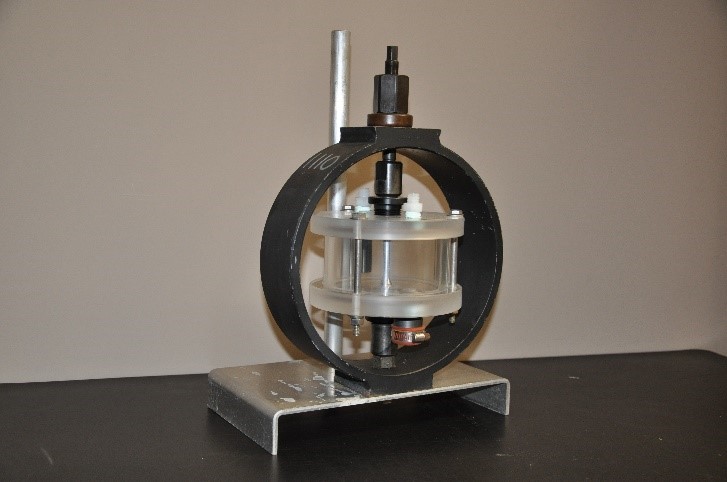
A simple, unnotched test specimen is loaded in static uniaxial tension (via proof ring) and placed in the environmental test vessel for up 720 hours. The absence of specimen fracture/cracking is acceptable, while cracking or fracture constitutes a failure. By testing a material at different stress levels, an apparent threshold stress level can be determined below which cracking due to SSC would not be expected.
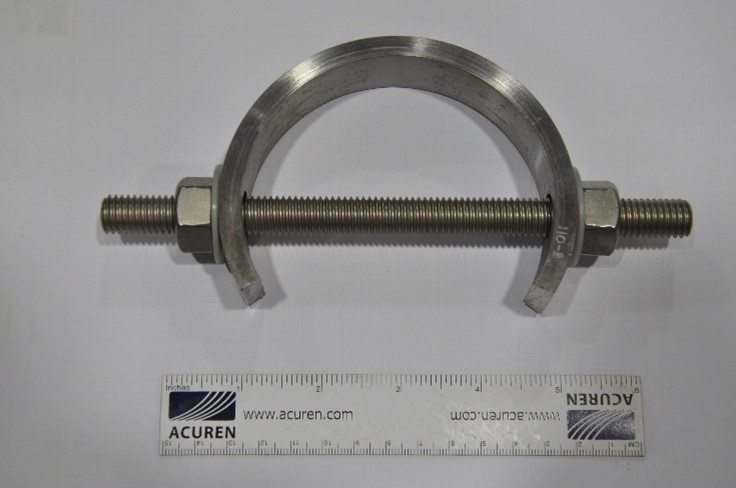
A “C” shaped partial ring of material (typically from a tubular type product) is loaded circumferentially and placed in the environmental test vessel for up to 720 hours. The absence of specimen fracture/cracking is acceptable, while cracking or fracture constitutes a failure. By testing a material at different stress levels, an apparent threshold stress level can be determined below which cracking due to SSC would not be expected.
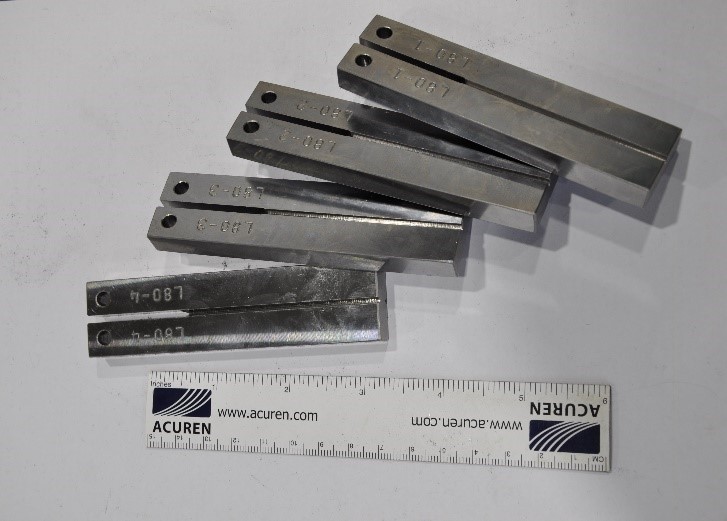
Unlike the pass/fail Methods A and C, the DCB test (Method D) measures resistance to environmentally assisted crack growth as a critical stress intensity factor, KISSC. A wedge loads the specimen at a starter notch before environmental exposure. Valid tests require crack growth (typically after 14 days). Lower-strength materials may need fatigue pre-cracking to initiate cracking.
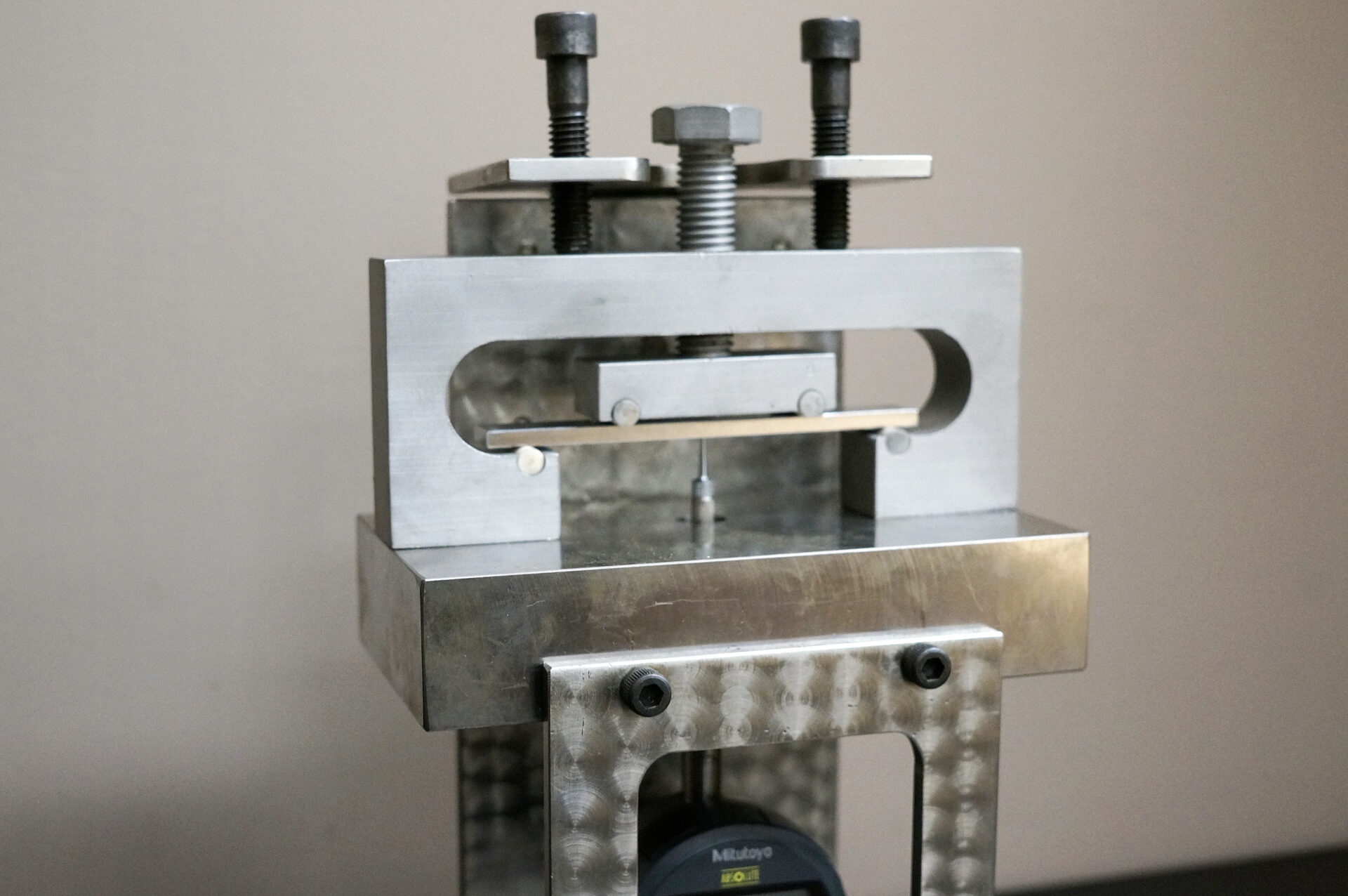
NACE TM0316 uses four-point bend testing to assess metals—including carbon steels, low alloy steels, CRAs, and welded or clad materials—for resistance to stress corrosion cracking (SCC) and sulfide stress cracking (SSC).
Specimens are loaded in a four-point bend jig to apply a controlled tensile stress and exposed to one of four standard NACE TM0177 solutions (A–D) or a custom environment. After exposure, samples are examined for cracking.
NACE TM0284 – Evaluation of Pipeline & Pressure Vessel Steels for Resistance to Hydrogen-Induced Cracking
In wet, sour (H₂S) environments, absorbed hydrogen can cause hydrogen induced cracking (HIC), leading to failures in pipelines and pressure vessels. NACE TM0284 tests unstressed samples from pipes and related components in three standard solutions: A and B (96 hours) and C (96 hours to 90 days, depending on H₂S pressure).