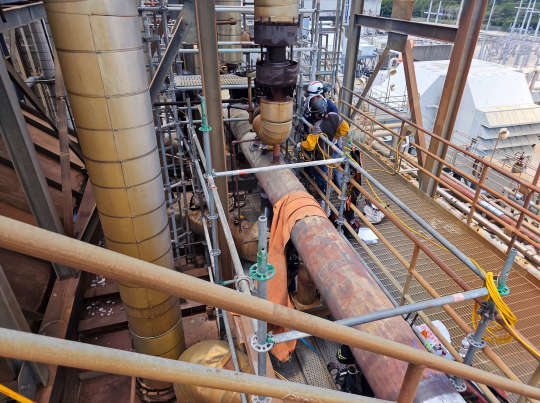
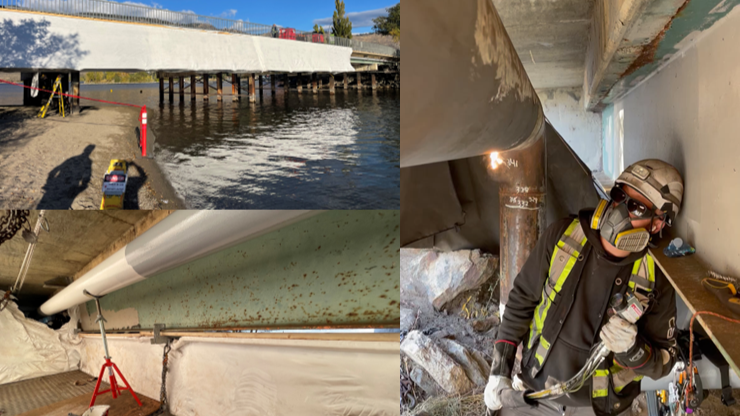
The recent tank rupture in Garden Grove is a stark reminder of the risks associated with aging infrastructure and the critical importance of proactive asset integrity management.
While investigations are still unfolding, events like this reinforce a fundamental truth: asset protection is not optional; it is essential. For operators across energy, chemicals, manufacturing, and other industrial sectors, the focus must now shift from reaction to prevention.
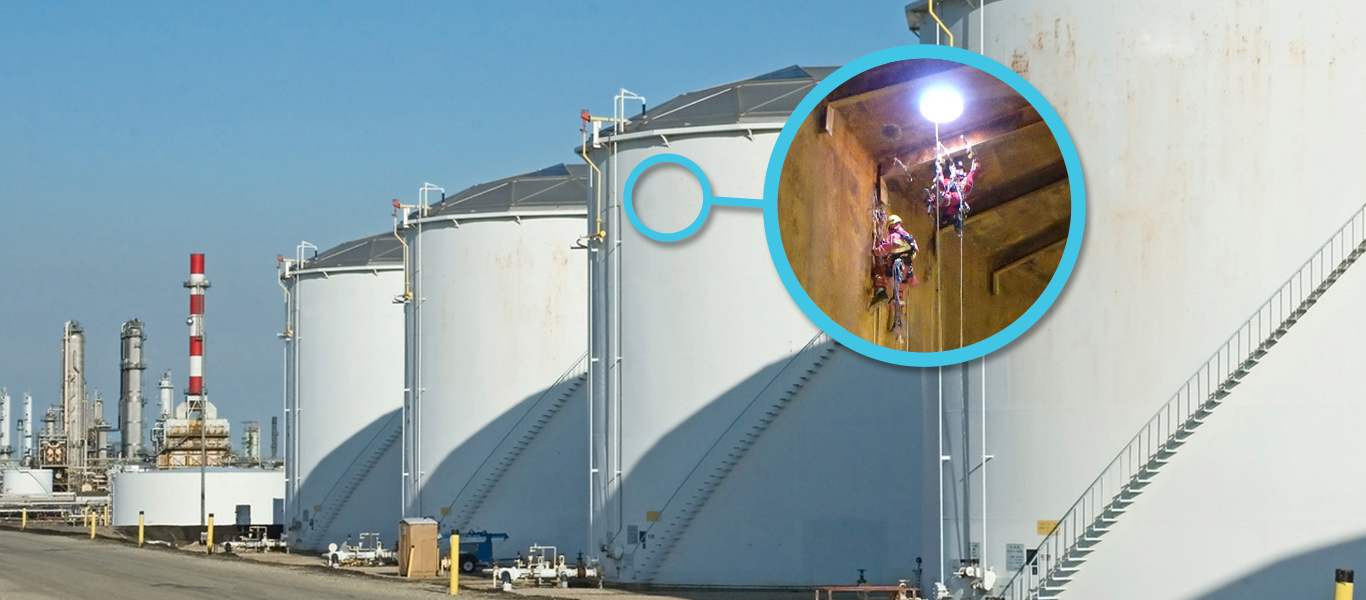
The Role of API Inspections in Preventing Failure
Industry-recognized standards such as API 510 (pressure vessels), API 570 (piping), and API 653 (storage tanks) are designed to help asset owners identify degradation, assess risk, and intervene before failure occurs.
When executed correctly, these inspection programs:
- Detect corrosion, fatigue, and structural weaknesses early
- Establish risk-based inspection intervals aligned to operating conditions
- Provide defensible documentation for compliance and regulatory readiness
- Extend asset life while improving safety and reliability
However, inspections alone are not enough. Their effectiveness depends on consistency, expertise, and timely follow-through.
Moving Forward: The Need for Corrective Action Plans
For operators impacted, directly or indirectly, by incidents like Garden Grove, the next step is clear: develop and implement a structured corrective action plan.
An effective plan should include:
- Immediate condition assessments across similar assets or facilities
- Root cause analysis to understand contributing factors
- Inspection program reviews to validate compliance with API standards
- Risk prioritization frameworks to identify high-consequence assets
- Defined remediation timelines with clear accountability
This is also an opportunity for organizations to reassess whether their current programs are sufficient or require modernization through digital tools, advanced analytics, or updated inspection methodologies.
How Acuren and NV5 Support Asset Protection Initiatives
At Acuren and NV5, we work alongside asset owners to strengthen inspection, analysis, and compliance programs, helping organizations move from reactive maintenance to predictive, risk-based asset management.
Our approach includes:
1. Comprehensive API Inspection Services
Certified inspectors deliver:
- API 510, 570, and 653 inspections
- Risk-Based Inspection (RBI) program development
- Fitness-for-service evaluations
2. Advanced NDT & Condition Assessment
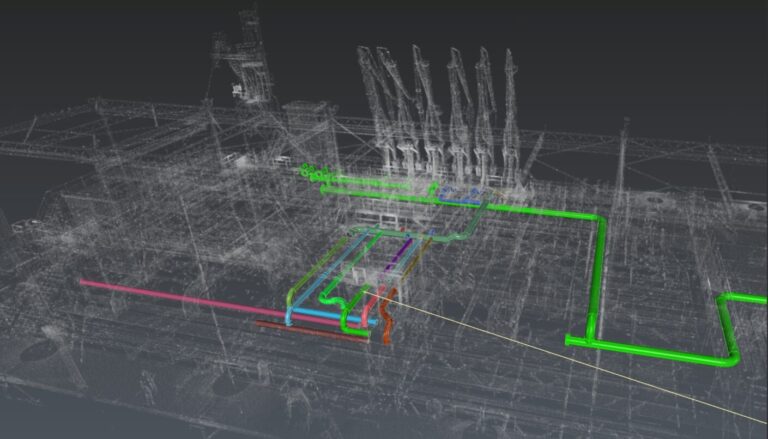
We deploy a full suite of non-destructive testing (NDT) technologies to identify issues early, including:
- Ultrasonic testing, radiography, and advanced imaging
- Guided wave and acoustic emission monitoring
- Corrosion mapping and thickness analysis
3. Failure Analysis & Engineering Support
When incidents occur, our teams help clients:
- Determine root cause through forensic engineering
- Evaluate the integrity of adjacent or similar assets
- Develop actionable, defensible recommendations
4. Digital Asset Integrity & Data Management
We support modernization through:
- Inspection data management systems
- Predictive maintenance analytics
- Integration with enterprise asset management platforms
5. Regulatory & Compliance Advisory
Our experts help ensure alignment with:
- API, ASME, and industry regulations
- Local and federal inspection requirements
- Emerging legislative changes following major incidents
A Call to Action for Asset Owners
Events like the Garden Grove tank rupture are tragic, but they also present a critical inflection point for the industry.
Now is the time to:
- Re-evaluate inspection and maintenance programs
- Invest in data-driven asset integrity strategies
- Partner with experienced providers to strengthen compliance and safety
Proactive asset protection is not just about avoiding downtime or regulatory penalties; it’s about protecting people, communities, and the long-term viability of critical infrastructure.
Final Thought
The question for asset owners isn’t whether another incident could happen—it’s whether your organization is doing everything possible to prevent it.
If now isn’t the moment to reassess your approach to asset integrity, when is? If your organization is evaluating its inspection programs or looking to implement a corrective action plan, our experts are ready to help!