Tank linings protect steel and concrete surfaces from corrosion, chemical attack, and product contamination. When a lining performs as intended, it helps extend equipment life and limit maintenance needs. But even a well-specified lining can deteriorate in service if it is poorly applied, mismatched to operating conditions, or exposed to damage over time.
Understanding why linings fail, and recognizing early signs of deterioration, can help operators plan inspections and repairs before a small defect becomes a larger operational problem.
Why Tank Linings Matter
A tank lining forms a barrier between the tank substrate and the material stored or processed inside it. Depending on the service, that barrier may need to resist water, chemicals, temperature changes, abrasion, or a combination of stresses.
If the barrier is compromised, corrosive substances can reach the underlying surface. Corrosion may then progress beneath the lining, making damage more extensive and repairs more involved. A failed lining can also allow contaminants from the substrate or corrosion products to enter the tank’s contents.
What Lining Failure Looks Like
Failure in service can take several forms:
- Blistering: Raised areas that may indicate trapped moisture, contamination, solvent, or corrosion beneath the lining.
- Cracking: Breaks in the coating that can expose the substrate. Cracks may develop from movement, stress, aging, or incompatibility with the service.
- Delamination: Loss of adhesion between the lining and the substrate, or between lining layers. The affected material may lift, peel, or separate.
- Leaks: A loss of containment that can occur when defects penetrate the lining, and the tank wall is also compromised.
These symptoms do not always reveal the full extent of the damage. A small visible defect may be associated with deterioration beneath the surface, so assessment should consider the surrounding area and the tank’s service history.
Common Causes of Failure
Poor surface preparation: Surface preparation is essential to lining performance. If the substrate is not cleaned and prepared to the project requirements, contaminants, moisture, salts, rust, or weak material can interfere with adhesion. The lining may look sound initially but lose its bond after exposure to operating conditions.
Preparation must also account for the substrate’s condition and the specified lining system. A coating cannot compensate for an unsuitable or inadequately prepared surface.
Incorrect material selection: A lining needs to be compatible with the tank’s contents and operating environment. A product that is not suited to the chemicals, concentration, temperature, or exposure pattern may soften, swell, degrade, or lose adhesion.
Selection should reflect actual service conditions, not only the tank’s intended use. Changes in product, cleaning chemicals, or operating temperature can affect whether an existing lining remains suitable.
Application issues: Application errors can create weak points from the outset. These may include inconsistent film thickness, missed areas, inadequate curing, or failure to follow the product’s application requirements. Conditions during application, such as temperature and humidity, can also affect the result.
Because some defects are difficult to see once a tank is returned to service, quality checks during installation are important.
Operating conditions: Even a properly selected and applied lining is exposed to wear. Temperature fluctuations can place stress on the lining and substrate. Chemical exposure can gradually attack an incompatible or aging material. Abrasion from solids, cleaning methods, or equipment can thin the protective layer.
Repeated thermal or mechanical stress may worsen existing defects and create new ones. Operating changes should prompt a review of whether the lining and inspection plan remain appropriate.
Early Warning Signs to Watch For
Operators should note changes such as visible blisters, cracks, peeling, or discoloration; unexpected corrosion products; signs of contamination in stored material; or changes in tank performance. Unusual leaks or repeated repairs in the same area also warrant attention.
Record observations with the location, approximate size, and date, and compare them with previous inspection findings. Trend information can help distinguish an isolated defect from a recurring problem.
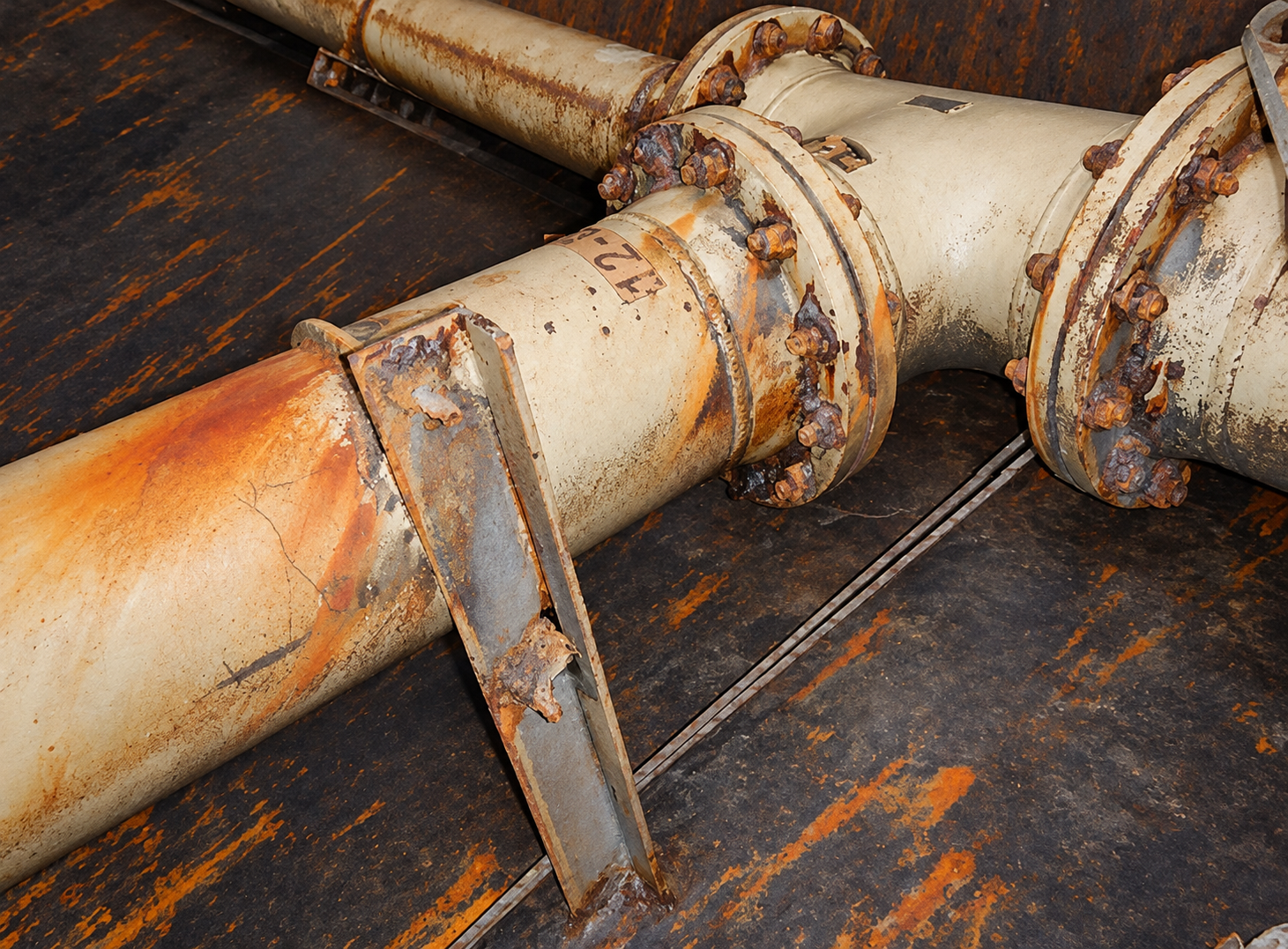
The Operational and Cost Impact
Lining deterioration can affect more than the tank surface. A failure may lead to product contamination, unplanned downtime, additional cleaning, repair work, or the need to remove and replace lining material. If corrosion progresses into the substrate, repairs may become more extensive.
The final cost depends on the tank, the service, and the condition of the affected area. Identifying damage early gives asset teams more opportunity to assess options and coordinate work with operating schedules.
Inspection and Maintenance Considerations
Inspection planning should reflect the tank’s contents, operating conditions, lining age, past repairs, and the consequences of a failure. A qualified tank assessment can help determine whether a defect is superficial, whether adhesion or underlying corrosion is a concern, and what further evaluation or repair may be appropriate.
Maintenance records should include the lining system, application and repair history, service changes, and inspection findings. This information supports better decisions about repair timing and future lining selection.
Improving Your Lining Performance
Reliable lining performance begins with the right material for the service, a properly prepared substrate, and application that follows the specified requirements. Inspection and documentation help verify the work and provide a baseline for future assessments. In service, monitoring operating conditions and responding to early signs of deterioration can reduce the chance that a localized defect develops into a larger issue.
Need support assessing tank lining conditions or planning inspection and maintenance? Contact our team to discuss your asset integrity needs.