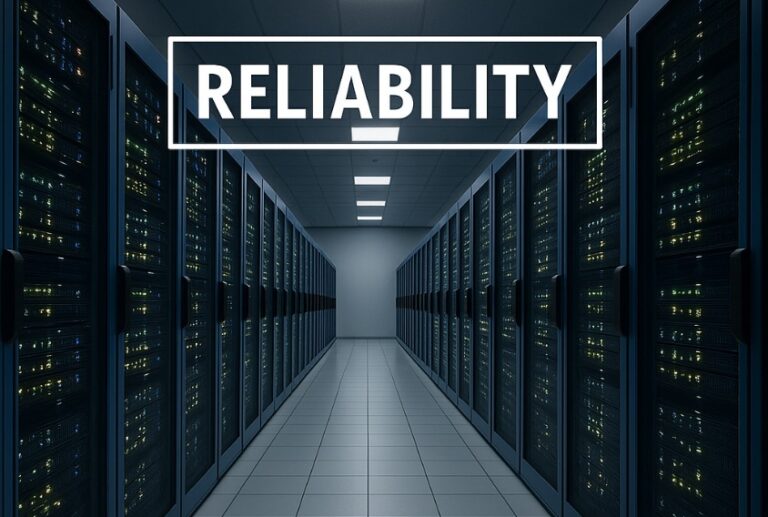
When reliability is discussed in the context of data centers, the focus is usually on uptime, redundancy, and operational resilience. But by the time a facility is live, many of the most important reliability decisions have already been made.
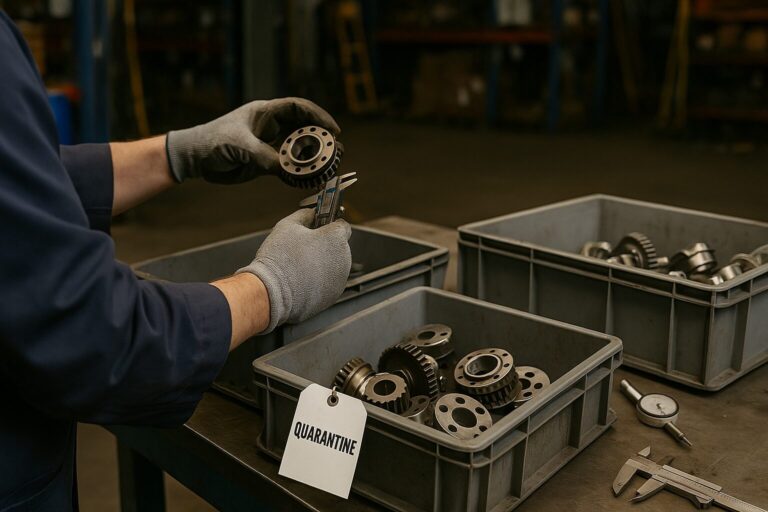
Reliability is largely determined upstream, during fabrication, inspection, and construction when critical systems are still taking shape. The quality of what is built in those early phases directly influences how systems perform under pressure later.
That reality is becoming more visible as data center delivery models evolve, and as specialized partners like Acuren are brought into projects earlier to help manage that risk.
Reliability is a Pre-Construction Conversation
As projects scale and timelines compress, developers are increasingly relying on prefabrication, modular construction, and phased delivery strategies. That evolution is changing how quality assurance needs to be approached.
Inspection and testing are no longer confined to the job site. Instead, they are moving earlier into the lifecycle and into fabrication shops, module assembly, and component staging.
This is where risk can be addressed most effectively.
Organizations like Acuren, with specialized nondestructive testing (NDT) and asset integrity teams, are aligning to this shift by supporting quality assurance before installation ever begins. Rather than acting as a downstream checkpoint, inspection becomes part of how the asset is built, driving insights that inform quality, reduce risk, and improve outcomes across the project lifecycle.
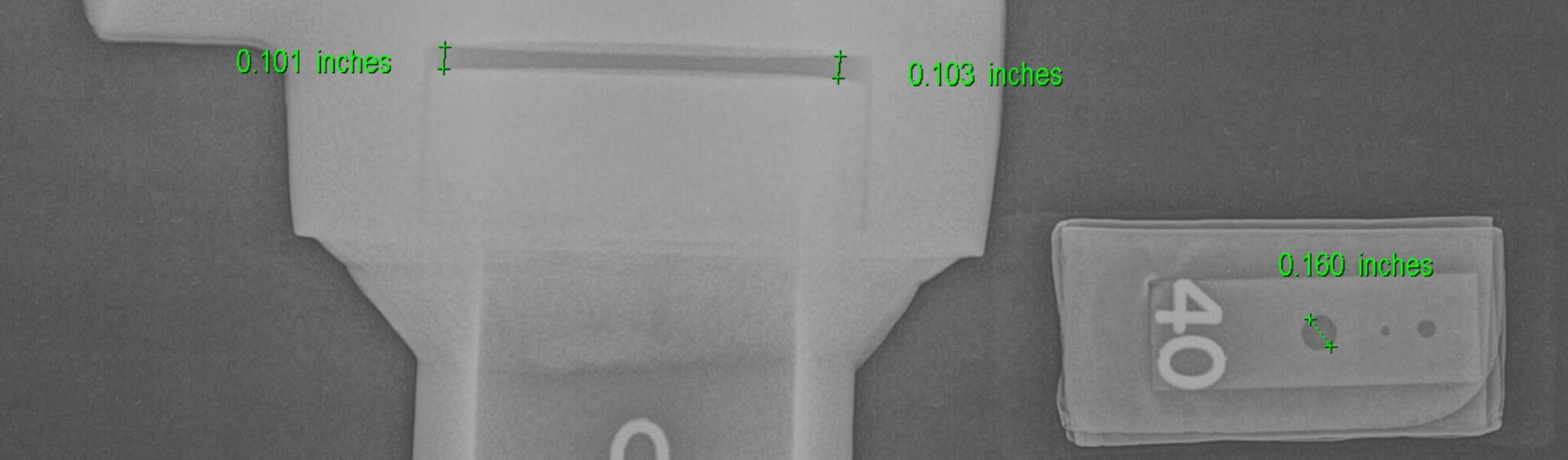
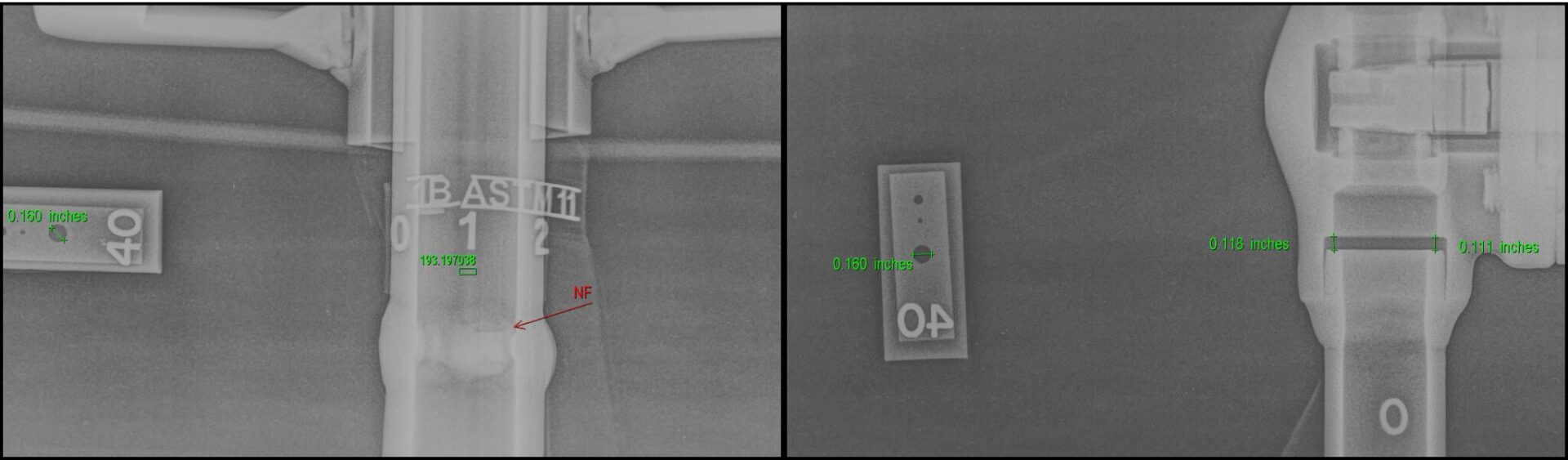
A current example is Acuren’s work supporting a new data center development in Georgetown, Kentucky, where teams are performing pre-installation radiographic testing on ammonia-cooled piping during fabrication. By verifying weld integrity before those components reach the site, the project team is able to reduce rework risk, maintain schedule certainty, and build confidence into a critical system early in the process.
For Acuren, projects like this reflect a broader shift in how reliability is delivered across complex builds. As Shamus Sullivan, MBA, President – Inspection & Mitigation at Acuren, explains:
“This project is a strong example of how Acuren is evolving alongside our customers. Being involved earlier in the lifecycle allows us to not only verify quality, but to influence outcomes in a much more meaningful way. It’s about bringing our expertise into the process sooner, so we can help ensure these critical systems are built right from the start.”
This type of involvement reflects a broader shift: reliability is no longer something you validate at the end; it is something you engineer into the process from the start.
The Growing Role of Specialized Systems Like Ammonia Cooling
Cooling infrastructure is one of the most critical and increasingly complex elements of modern data centers. As operators push for higher efficiency at scale, ammonia-based cooling systems are becoming more common in large facilities.
These systems offer meaningful performance and efficiency advantages, but they also introduce additional considerations:
- Higher consequence of failure
- Stricter code and compliance requirements
- Greater need for precision in fabrication and inspection
That combination raises the bar for quality assurance.
In the Georgetown project, for example, the ammonia cooling system requires a level of inspection discipline that goes beyond standard practices. Radiographic testing during fabrication helps ensure that weld quality meets stringent requirements before the system is ever assembled on-site.
This is where specialized teams matter. Acuren’s experience in high-consequence industrial environments, where code compliance, procedural rigor, and inspection accuracy are non-negotiable, translates directly into applications like data center cooling infrastructure.
Inspection Needs to Match How Projects Are Delivered
One of the challenges in today’s data center environment is fragmentation.
Assets move across multiple environments before they are ever installed:
- Fabrication facilities
- Modular assembly yards
- Staging and logistics hubs
- Final construction sites
Each transition introduces potential risk, and too often, inspection approaches don’t adapt to that reality.
Acuren’s model reflects a different approach: aligning inspection services with the full lifecycle of the asset. In practice, that means supporting components in fabrication (as seen in Georgetown), while also maintaining the capability to continue that support through installation, commissioning, and ongoing operations.
For developers and EPC teams, that continuity reduces handoff risk and creates a more consistent standard of quality across phases.
Minimizing Disruption is Part of Quality
There is another dimension to inspection that is often overlooked: its impact on productivity.
Traditional radiographic testing methods can require large exclusion zones and extended timelines. In a dense construction environment, that can slow down other trades and complicate coordination.
As project schedules tighten, the expectation is shifting. Quality assurance must not only be accurate and compliant, but also efficient and minimally disruptive.
Acuren’s approach to advanced radiographic testing, refined through work in complex industrial settings, focuses on reducing inspection footprints and shortening execution windows. This is done while also leveraging alternative inspection methods where appropriate to further minimize disruption and maintain productivity. In projects like the Georgetown data center, that allows critical testing to occur without unnecessarily interrupting surrounding workstreams.
In large-scale builds, that operational efficiency becomes just as valuable as the inspection itself.
What This Means for the Future of Data Center Delivery
As demand for data center capacity continues to grow, so does the complexity of the infrastructure behind it. That complexity is forcing a rethink of how reliability is achieved and who plays a role in delivering it.
A few themes are becoming clear:
- Earlier involvement leads to better outcomes: Bringing specialized partners like Acuren into the fabrication phase helps reduce downstream risk.
- Specialization matters more than ever: Systems like ammonia cooling require deep technical expertise and disciplined execution.
- Continuity reduces risk: Supporting assets across fabrication, construction, and operation creates consistency and minimizes gaps.
- Efficiency is part of quality: Inspection approaches must align with the pace and complexity of modern construction environments.
A Shift in Mindset
The broader takeaway is simple: reliability is no longer just an operational metric, it is a construction and fabrication outcome. The organizations that recognize this and align their partners, processes, and expertise accordingly will be better positioned to deliver data centers that not only come online faster but perform more reliably over time.
Projects like the Georgetown build offer a glimpse into that future, where early-stage inspection, specialized expertise, and lifecycle alignment are no longer differentiators, they are expectations. For organizations looking to meet that standard, working with partners who can support inspection, testing, and asset integrity across the full project lifecycle is becoming essential.
Acuren supports this shift by delivering nondestructive testing, engineering, and inspection services from fabrication through construction and into operation, helping ensure critical systems are built right and perform as intended. To connect with Acuren and discuss how these capabilities can support your next project, contact our experts today.